The United States has ended temporary legal protections for thousands of Ethiopian nationals, ordering approximately 5,000 refugees to leave the country within 60 days or face arrest and deportation. The move is part of a broader push by the Trump administration to remove protections for more than one million individuals from multiple countries.
Details of the Ethiopian TPS Termination
Homeland Security Secretary Kristi Noem announced the decision, stating that conditions in Ethiopia “no longer pose a serious threat” to returning nationals, despite ongoing violence in parts of the country. The Temporary Protected Status (TPS) termination will take effect in early February 2026, giving current beneficiaries two months to either leave voluntarily or seek alternative legal status.
Those who are forcibly removed may face restrictions on returning to the United States, according to the Department of Homeland Security.
Controversy and Criticism
The termination comes despite State Department travel advisories warning that parts of Ethiopia remain unsafe due to “sporadic violent conflict, civil unrest, terrorism, and kidnapping.” Analysts have also highlighted the risk of renewed fighting in Tigray and Oromia, despite recent peace agreements.
The Federal Register notice cited improvements in healthcare, food security, and internal displacement statistics as evidence of recovery. However, it also referenced national security concerns and high visa overstay rates among Ethiopian TPS holders as justification for ending the program.
Broader Immigration Crackdown
The Ethiopian decision is part of Trump’s wider immigration agenda, which has targeted nationals from Haiti, Venezuela, Somalia, South Sudan, and other countries. Critics argue the policy is racially selective, pointing out that at the same time protections were removed for Ethiopians, a refugee program was opened for white South Africans of Afrikaner ethnicity.
Professor Scott Lucas of University College Dublin described the policy as demonstrating “perverse honesty,” saying, “If you’re white and you’ve got connections, you get in. If you’re not white, forget about it.”
Community Impact and Legal Challenges
As of March 2025, approximately 1.3 million people held TPS in the U.S., according to the American Immigration Council. Ethiopian beneficiaries can continue working during the 60-day transition period, but after the deadline, anyone without alternative legal status becomes subject to immediate arrest and removal.
Legal challenges have temporarily blocked several TPS terminations, offering a brief reprieve for affected communities. The administration has offered voluntary departure incentives, including a “complimentary plane ticket” and $1,000 exit bonus, to encourage refugees to leave without enforcement action.
Humanitarian and Political Concerns
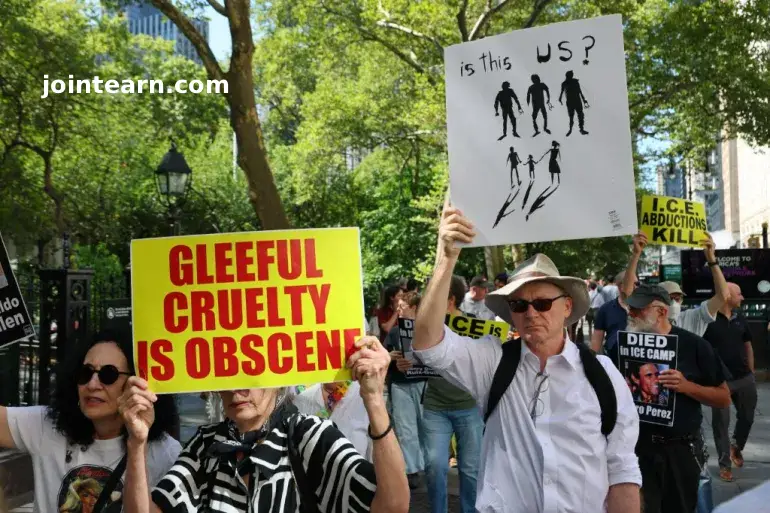
Advocates warn that the termination could place vulnerable Ethiopian refugees at risk of returning to conflict zones. The policy has drawn international criticism for ignoring ongoing regional instability, while domestically sparking protests and legal opposition.
The move reflects the Trump administration’s prioritization of immigration control as a key component of its national security strategy, framing migration from developing countries as a threat, despite widespread condemnation of the approach as discriminatory.


Leave a Reply