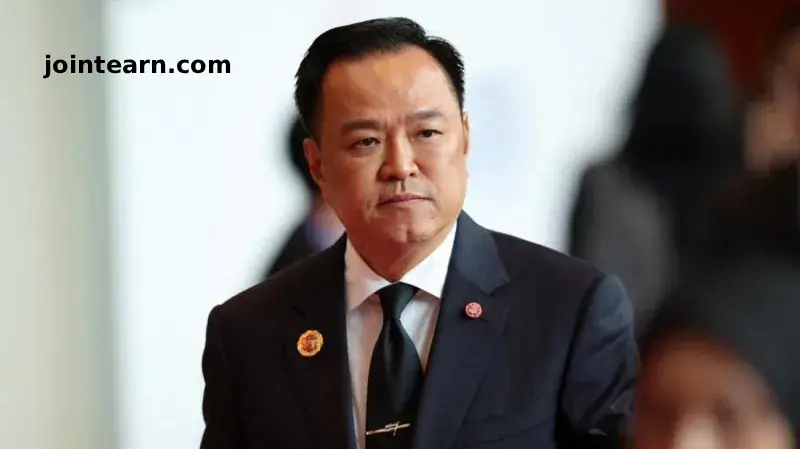
Thailand’s Prime Minister Anutin Charnvirakul has officially dissolved the country’s parliament, citing political instability, ongoing border clashes with Cambodia, and mounting domestic crises. A general election is now scheduled to take place within 45 to 60 days, marking a critical moment in Thailand’s recent political turbulence.
Parliament Dissolution Amid Border Violence
In a royal decree published on Friday, Prime Minister Anutin highlighted the deadly Thailand-Cambodia border conflict, which has killed at least 20 people and displaced hundreds of thousands, as one of the main factors influencing his decision. The decree stated that dissolving parliament was a way to “return political power to the people,” signaling an attempt to restore democratic legitimacy amid a minority government struggling to maintain stability.
Anutin, a business tycoon and the third Thai prime minister since August 2023, initially planned to dissolve parliament by the end of January. However, facing an imminent vote of no confidence, he advanced the election timetable.
Domestic Challenges: Flooding and Political Pressure
The prime minister and his Bhumjaithai party have faced widespread criticism over their handling of severe flooding in southern Thailand last month, which resulted in at least 176 deaths. The combination of natural disasters and renewed border fighting with Cambodia has intensified calls for accountability, putting pressure on the minority government to act decisively.
In his decree, Anutin wrote:
“The government had executed every means in public administration to quickly resolve the urgent issues overwhelming the country… but running the country requires stability. As a minority government, together with troubling domestic political circumstances, it has been unable to carry out public administration continuously, effectively, and with stability.”
The decree was endorsed by King Maha Vajiralongkorn, formalizing the dissolution of the House of Representatives.
Political Fallout and Opposition Pressure
The dissolution follows the withdrawal of support from the People’s Party, Thailand’s largest and most progressive party. The party had previously backed Anutin’s premiership but demanded constitutional reforms and a parliamentary dissolution within four months as conditions of their support.
Accusing Bhumjaithai of failing to meet these conditions, the People’s Party had planned to submit a no-confidence motion against the government. The party publicly urged citizens to participate in upcoming elections, stating on social media:
“See you at the polling stations.”
Thailand has been grappling with ongoing political instability over the past year, marked by the dismissal of two prime ministers by the courts. Anutin’s predecessor Paetongtarn Shinawatra was removed for ethical violations following a leaked phone call in which she criticized the Thai military and referred to Cambodia’s former leader Hun Sen as “uncle.” Her predecessor, Srettha Thavisin, was also dismissed for ethics violations related to cabinet appointments.
Implications for Thailand’s Political and Security Landscape
The dissolution of parliament comes at a time of heightened Thailand-Cambodia tensions, severe flooding, and ongoing domestic unrest. Political analysts suggest that the upcoming elections will be critical in determining whether Thailand can achieve stability, manage border security, and restore public trust in government institutions.
Observers also note that the move to dissolve parliament may reshape alliances between progressive and conservative parties, especially regarding reforms to Thailand’s military-drafted constitution and broader governance policies.


Leave a Reply