The administration of President Donald Trump has announced an immediate suspension of the Diversity Immigrant Visa Program (DV Program), the lottery system through which Claudio Manuel Neves Valente, the suspect in the Brown University shooting, entered the United States in 2017. The program, which annually grants approximately 50,000 immigrant visas, has long been a target of Trump’s efforts to restrict immigration.
Suspect Identified in Brown University Shooting
Authorities identified the shooter as Claudio Neves Valente, a Portuguese national and former PhD student at Brown University. Neves Valente was found dead from a self-inflicted gunshot wound in a storage unit in New Hampshire, following a nationwide manhunt.
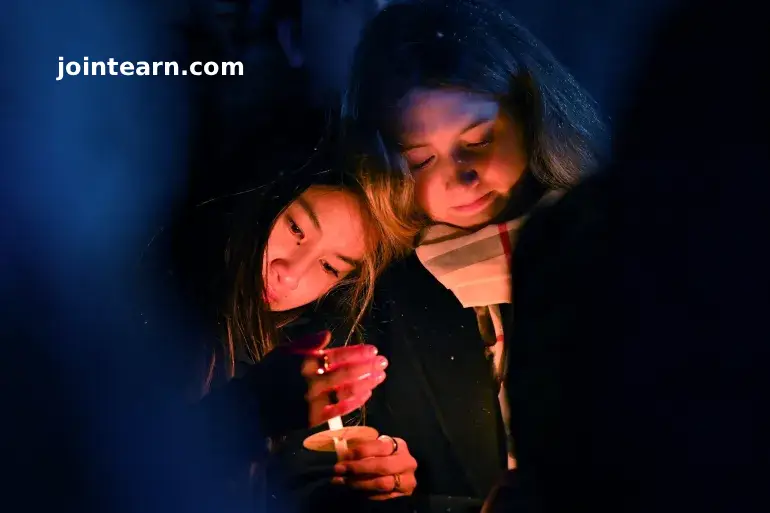
The manhunt began on December 13, after gunfire erupted in the Barus and Holley physics laboratory at Brown University in Providence, Rhode Island, killing two students and injuring nine others. Students were taking end-of-course exams at the time.
Neves Valente had previously been classmates in Portugal with Nuno Loureiro, a physics scholar at MIT who was found dead in November. Authorities now believe Neves Valente was responsible for both attacks.
Trump Administration Halts Diversity Visa Program
Secretary of Homeland Security Kristi Noem confirmed that the president directed her to immediately suspend the visa lottery. In a social media statement, Noem said:
“This heinous individual should never have been allowed in our country. At President Trump’s direction, I am immediately directing USCIS to pause the DV1 program to ensure no more Americans are harmed by this disastrous program.”
The DV Program, established in 1990, provides an alternative immigration pathway for applicants from countries underrepresented in US immigration. While intended to broaden access to permanent residency, critics argue that the system is a long shot, and even successful applicants must pass rigorous screening processes.
Trump’s Longstanding Opposition to the Lottery
The suspension is consistent with Trump’s long-term efforts to narrow pathways to legal immigration, often citing crime as justification. In December 2017, following a fatal truck attack in New York City, Trump called on Congress to end the visa lottery system, questioning the program’s ability to select the “best people” for the country.
“They have a lottery. You pick people. Do you think the country is giving us their best people? No,” Trump said at the time.
The Trump administration has repeatedly taken similar actions after high-profile attacks, including suspending visa and asylum requests from specific countries and revoking immigration status for foreign nationals linked to incidents or controversial speech.
Context: US Immigration and Public Safety
Trump’s announcement adds to a series of recent immigration restrictions, including the tightening of entry from 39 countries deemed high-risk. Advocates for immigrant rights have criticized such moves, arguing that US-born citizens are statistically more likely to commit violent crimes than immigrants.
The Diversity Visa Program has historically granted visas to applicants from countries with limited access to other US immigration pathways, helping families and skilled workers obtain permanent residency. The suspension, however, marks a significant shift in US immigration policy under the current administration.
Ongoing Investigation and Implications
Authorities continue to investigate the connection between Neves Valente and the two shootings. The Brown University and MIT cases have heightened national attention on campus security, immigration screening processes, and the balance between public safety and immigration policy.
The immediate suspension of the DV Program underscores the Trump administration’s broader agenda to limit immigration programs perceived as high-risk, while focusing on preventing future acts of violence by foreign nationals.


Leave a Reply