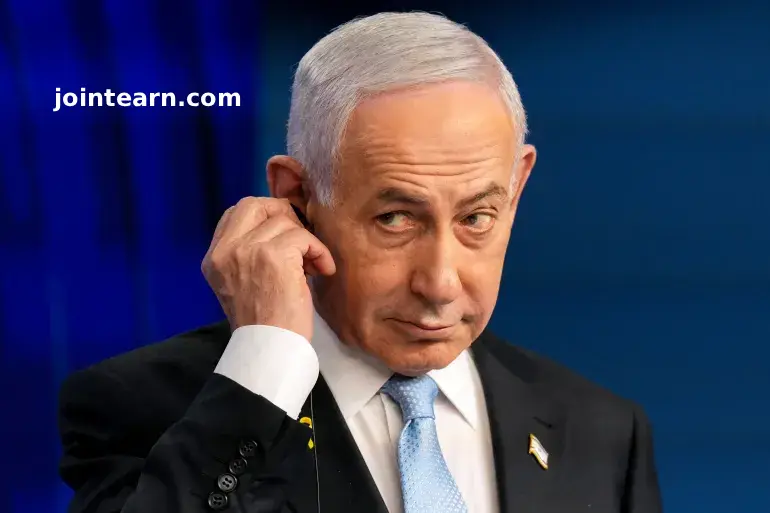
United States President Donald Trump is scheduled to host Israeli Prime Minister Benjamin Netanyahu at the White House on December 29, 2025, to discuss the second phase of the Gaza ceasefire and broader regional peace initiatives, according to an official statement from the Israeli government.
Meeting Focus: Phase Two of Gaza Ceasefire
Israeli government spokesperson Shosh Bedrosian confirmed that the White House meeting will focus on the future steps and phases of the ceasefire plan, including the potential deployment of an international stabilization force.
Netanyahu has emphasized that the second phase of the ceasefire will be “more difficult”, concentrating on ending Hamas governance in Gaza and ensuring compliance with the demilitarization requirements outlined in the initial agreement.
“The prime minister will meet with President Trump on Monday, December 29; they will discuss the future steps and phases and the international stabilization force of the ceasefire plan,” Bedrosian said.
Background: The Gaza Ceasefire
Since its inception on October 10, 2025, the US-brokered ceasefire in Gaza has largely held despite over 590 Israeli violations. Israeli military operations have resulted in the deaths of at least 360 Palestinians, contributing to a cumulative death toll exceeding 70,000 since the conflict escalated.
The first phase of the ceasefire addressed:
- The exchange of Israeli captives and Palestinian detainees
- Partial Israeli withdrawal from Gaza territories
Phase two, however, involves complex governance issues:
- Post-war leadership and administration in Gaza
- Palestinian self-determination
- Role of international monitoring and stabilization forces
- Implementation of demilitarization measures
The exact roadmap for phase two remains vague, leaving significant questions about long-term governance and enforcement mechanisms.
Regional Security and Syria
The White House meeting also intersects with US efforts to foster dialogue between Israel and Syria. President Trump has publicly encouraged Israel to pursue “strong and true dialogue” with Syria, following repeated Israeli incursions and airstrikes that have hampered peace talks.
As the United States continues to serve as Israel’s primary ally, it has provided ongoing diplomatic backing and billions in military aid throughout the Gaza conflict. This support underscores the strategic importance of the Trump-Netanyahu discussions for regional stability and security cooperation.
Looking Ahead
The December 29 meeting between Trump and Netanyahu marks a critical juncture for both Israeli-Palestinian relations and broader Middle Eastern diplomacy. Analysts expect the discussions to address:
- Full implementation of the Gaza ceasefire
- Strengthening Israel’s security agreements with neighboring countries
- Coordinating with international partners to maintain peace and prevent renewed conflict
With tensions still high, the outcome of this White House meeting could reshape diplomatic and security strategies in the region for months to come.


Leave a Reply