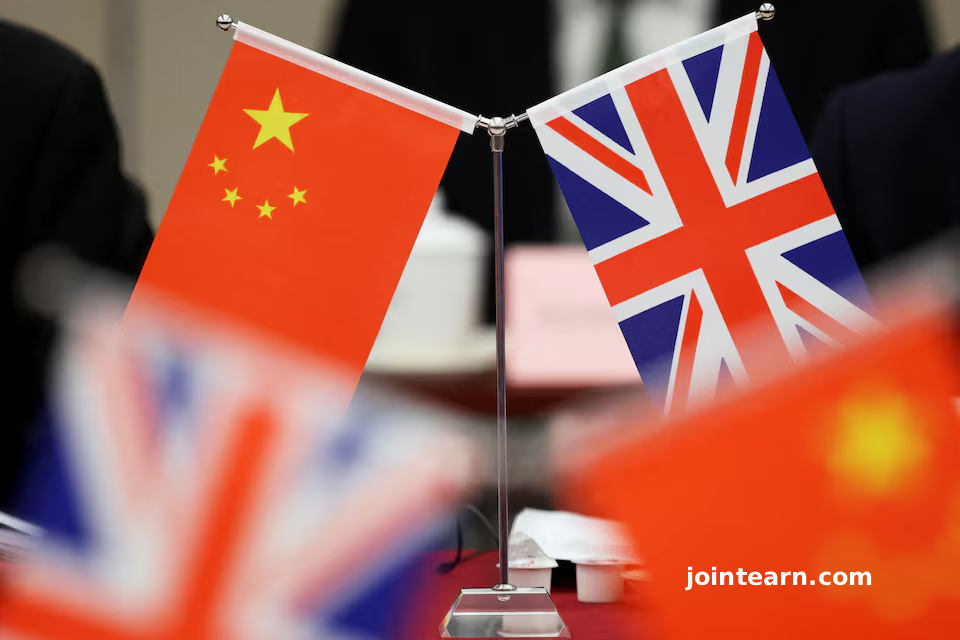
UK Targets Unfairly Priced Chinese Biodiesel With New Tariffs
The United Kingdom has announced the introduction of anti-dumping duties on biodiesel imported from China, following an official investigation that concluded Chinese producers were selling biodiesel in the UK at unfairly low prices. The decision, revealed on November 25, represents a significant step in the UK’s efforts to safeguard its domestic renewable fuels sector from market distortions.
The trade investigation—carried out by the UK body responsible for monitoring unfair trade practices—confirmed that these low-priced imports had caused material harm to British biodiesel producers, including major companies such as Argent Energy and Olleco.
New Duties Aimed at Protecting UK Biodiesel Producers
Beginning November 25, the UK will enforce a two-tier duty structure on biodiesel imports originating from China:
- 14.79% duty applied to the Zhuoyue Group and other cooperating exporters included in the investigation sample
- 54.64% duty applied to all other Chinese exporters
The government stated that these measures are necessary to restore fair competition in the UK market and prevent further economic damage to domestic manufacturers.
Why the UK Is Imposing Anti-Dumping Measures
The investigation concluded that Chinese biodiesel was being sold at prices significantly below fair market value, a practice considered dumping under international trade rules. Such pricing can undercut domestic producers, making it difficult for them to compete and sustain operations.
British biodiesel facilities supply fuel crucial for reducing carbon emissions in transport, and officials emphasized that the new duties support both energy security and the country’s climate goals.
Broader Context: UK-China Energy Relations
The measures come during a period of complex economic relations between the UK and China, highlighted earlier in the year when UK Energy Secretary Ed Miliband visited China for bilateral energy discussions.
Despite collaboration in some areas, the UK’s decision to move forward with duties signals a firmer stance on trade fairness and protection of domestic green industries, especially in sectors considered strategically important to the country’s net-zero transition.
What This Means for the Biodiesel Market
Industry analysts expect the duties to reshape the UK biodiesel supply landscape by:
- Leveling the competitive field for domestic producers
- Reducing dependence on low-cost imports
- Encouraging investment in UK-based renewable fuel production
- Potentially raising short-term biodiesel prices, though stabilizing the market long-term
The government’s action also mirrors similar moves taken by both the European Union and the United States, which have previously placed anti-dumping duties on certain Chinese renewable fuel products.
Conclusion
The UK’s new anti-dumping duties on Chinese biodiesel mark a significant intervention in the renewable fuels market, aimed at protecting British producers from unfair competition and supporting the country’s sustainability objectives. As the duties take effect, industry observers will be watching closely to gauge their impact on pricing, supply chains, and investment in the UK’s green energy sector.


Leave a Reply