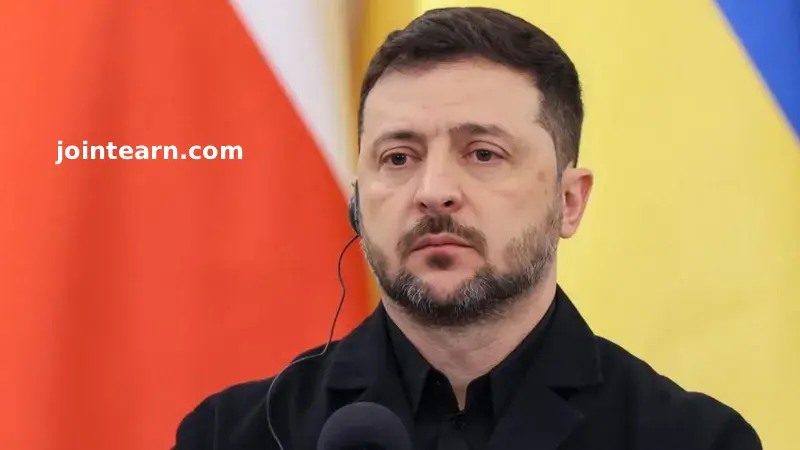
Ukraine has firmly rejected Russian allegations that it launched a drone attack on one of President Vladimir Putin’s residences, accusing Moscow of attempting to derail ongoing peace negotiations. Ukrainian President Volodymyr Zelensky described the claims as “typical Russian lies” and warned that the Kremlin was using the accusation as a pretext to continue attacks on Ukrainian territory.
Russian Claims of the Drone Strike
Russian Foreign Minister Sergei Lavrov claimed that 91 long-range unmanned aerial vehicles (UAVs) targeted Putin’s state residence in the northwestern Novgorod region over the weekend. According to Lavrov, all drones were intercepted and destroyed by Russian air defense systems, with no reported casualties or damage.
Lavrov framed the alleged attack as a reason to “revise” Russia’s position in peace negotiations while emphasizing that Moscow did not intend to withdraw from discussions with the United States. Kremlin officials indicated that the incident would lead them to “toughen” their negotiating stance.
Ukraine’s Strong Rejection
President Zelensky dismissed the Russian claims, emphasizing that Russia was looking for excuses to continue its military campaign. He stated:
“Everyone must be vigilant now. Absolutely everyone. A strike may be launched on the capital.”
Zelensky accused Moscow of interpreting the progress in US-led peace talks as a failure, attempting to undermine momentum toward a ceasefire. Ukrainian Foreign Minister Andrii Sybiha echoed this sentiment, calling on the international community to disregard Russia’s “false claims,” noting that no credible evidence of the alleged drone strike has been presented.
Context: US-Ukraine Peace Talks
The Kremlin’s accusations followed high-level discussions between President Zelensky and US President Donald Trump in Florida, where both leaders reviewed a revised peace plan aimed at ending the war in 2026.
Zelensky expressed cautious optimism about a potential resolution but emphasized Ukraine’s dependence on continued US support. He revealed that Washington had offered security guarantees for 15 years, with agreements on this point nearly finalized. However, significant issues remain unresolved, including territorial disputes and the future of the Russian-occupied Zaporizhzhia nuclear plant.
Russia continues to control roughly 75% of the Donetsk region and nearly all of neighboring Luhansk, collectively known as Donbas. Key provisions regarding these regions have yet to see agreement, and Moscow has rejected major elements of the proposed peace plan.
Reactions from Moscow and the US
Kremlin foreign policy aide Yuri Ushakov noted that the alleged drone strike occurred immediately after what the United States had considered a successful round of peace talks. He stated that President Trump was “shocked” by the report, which may influence US engagement with Zelensky going forward.
Trump himself commented that he had been informed by Putin about the incident and expressed anger, though he also acknowledged uncertainty, saying:
“You’re saying maybe the attack didn’t take place — that’s possible too, I guess. But President Putin told me this morning it did.”
Implications for Ukrainian Security
Zelensky warned that Russia’s accusations could serve as a pretext for further attacks on Ukrainian cities and government infrastructure. In recent days, Ukrainian regions, including the Black Sea port city of Odesa, have been hit by drone strikes, causing civilian injuries and widespread power outages.
The president emphasized the critical need for international vigilance and continued pressure on Russia to honor ongoing peace efforts.
Outlook: Peace Talks and Ongoing Conflict
While Ukraine remains committed to advancing negotiations, the Kremlin’s latest accusations threaten to complicate progress. The alleged drone attack on Putin’s residence appears aimed at sowing distrust and disrupting negotiations, even as Zelensky and international partners work toward a potential ceasefire in 2026.
As the conflict continues, Ukraine emphasizes that lasting peace will require credible Russian participation, security guarantees from international allies, and careful monitoring of any military escalation.
Zelensky remains cautiously hopeful, stating:
“There is a possibility to finish this war in 2026. But we cannot do it without strong US and international support.”
The coming months will be decisive in shaping both the future of peace negotiations and the ongoing security of Ukrainian civilians.


Leave a Reply