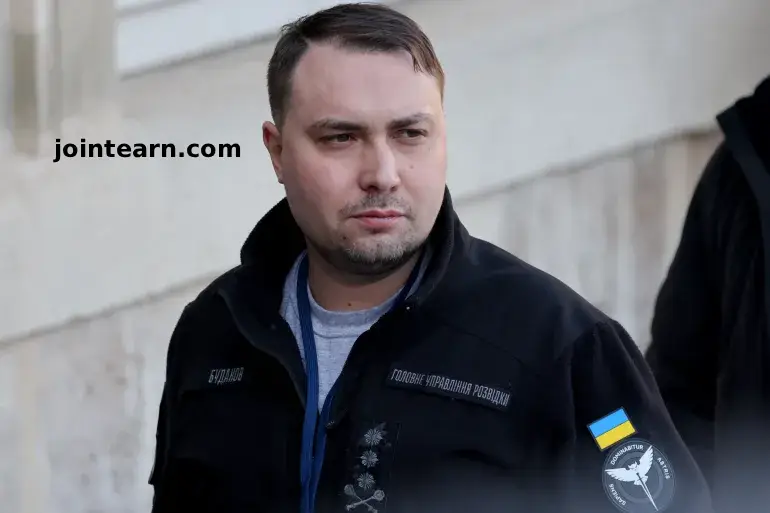
Paris, France — Ukraine’s chief of staff, Kyrylo Budanov, has announced that “concrete results” have been achieved in ongoing discussions with Western allies aimed at ending the war and securing post-conflict guarantees for Kyiv. The announcement comes amid the largest-ever summit of the so-called “coalition of the willing,” a group of 35 countries supporting Ukraine against Russian aggression.
Budanov provided the update via Telegram on Wednesday, highlighting progress at the talks but withholding specific details. President Volodymyr Zelenskyy emphasized that discussions would focus on “the most difficult issues” in ending the nearly four-year war, including territorial disputes and the status of the Zaporizhzhia nuclear power plant, currently in occupied eastern Ukraine.
“Ukraine does not shy away from the most difficult issues and will never be an obstacle to peace,” Zelenskyy stated. “Peace must be dignified, and this depends on the partners—on whether they ensure Russia’s real readiness to end the war.”
Western Security Guarantees
The summit comes after the United States pledged full support for security guarantees, including leading a truce monitoring mechanism, while France and the United Kingdom committed to deploying forces in Ukraine if a ceasefire is agreed. These moves aim to reinforce Kyiv’s defense against ongoing Russian aggression and ensure international enforcement of any settlement.
European leaders and US officials hailed the talks as a critical step toward stabilizing Ukraine, though tensions remain high due to geopolitical distractions, including US concerns over Greenland and Venezuela, which have influenced diplomatic dynamics.
Ongoing Hostilities Despite Diplomacy
Despite progress at the Paris summit, fighting continued on the ground. Ukraine’s drone forces struck an oil depot in Russia’s Belgorod region, igniting a fire that was later extinguished, according to regional authorities. In response, Russia launched air, drone, artillery, and missile attacks on Ukrainian long-range drone launch sites, ammunition depots, and troop positions.
Meanwhile, Russian President Vladimir Putin attended a Russian Orthodox Christmas service, framing the conflict as a “holy mission” to defend the nation. Putin has increasingly relied on patriotic and religious symbolism to maintain domestic support for the war effort, portraying Russian troops as executing a divine duty to protect the homeland.
“Russia’s warriors have always, as if at the Lord’s behest, carried out this mission of defending the fatherland and its people,” Putin said at St George Victory Bearer Church near Moscow.
Challenges Ahead
The negotiations in Paris face significant obstacles. Russia occupies roughly one-fifth of Ukrainian territory and has shown no willingness to compromise on key demands. Territorial questions remain the most sensitive, particularly the fate of the four eastern regions that Russia has claimed.
Observers note that while Western allies are committed to supporting Kyiv militarily and politically, a durable settlement will require Russian agreement to genuine peace terms, adherence to international law, and clear enforcement mechanisms.
Ukraine’s Strategic Messaging
Budanov and Zelenskyy’s messaging underscores Ukraine’s commitment to defending its national interests while remaining open to diplomacy. The ongoing summit demonstrates Kyiv’s efforts to secure concrete post-conflict guarantees, ensure the protection of its borders, and involve international allies in monitoring any ceasefire or peace arrangement.
As talks progress, the world watches closely to see whether these discussions will translate into actionable measures that can halt the fighting and stabilize Eastern Europe after nearly four years of intense warfare.


Leave a Reply