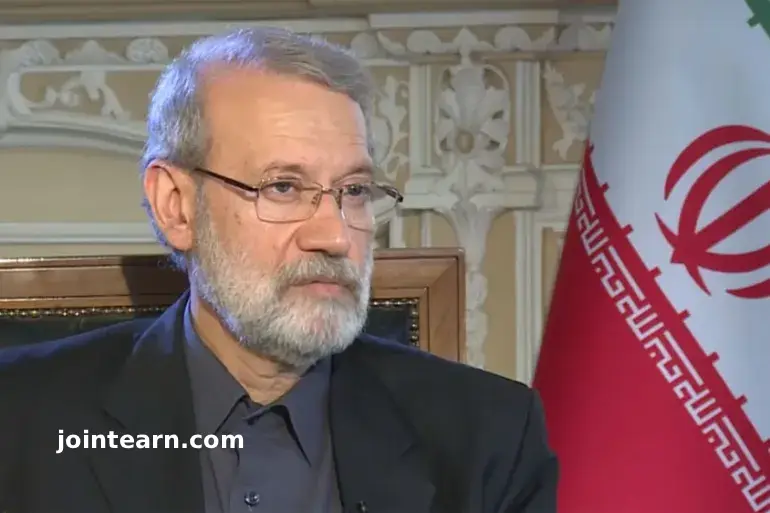
Washington, January 15, 2026 – The United States has imposed new sanctions on Iranian political and security officials accused of orchestrating a brutal crackdown on antigovernment protesters, intensifying pressure on Tehran amid ongoing civil unrest. The move coincides with US President Donald Trump’s conditional approval of Iran’s reported decision to halt executions of demonstrators.
The sanctions target Ali Larijani, secretary of Iran’s Supreme National Security Council (SNSC) and a close adviser to Supreme Leader Ayatollah Ali Khamenei, along with several other high-ranking officials, whom Washington described as the “architects” of Iran’s oppressive response to the protests.
“The United States stands firmly behind the Iranian people in their call for freedom and justice,” said US Treasury Secretary Scott Bessent.
“At the direction of President Trump, the Treasury Department is sanctioning key Iranian leaders involved in the brutal crackdown against the Iranian people. Treasury will use every tool to target those behind the regime’s tyrannical oppression of human rights.”
Details of the Sanctions
The new US measures:
- Freeze assets of targeted individuals and firms in the United States.
- Prohibit American citizens and companies from conducting business with the sanctioned parties.
- Target 18 firms and individuals involved in Iran’s energy exports to further pressure the country economically.
While the sanctions are largely symbolic, given Iran is already under heavy international restrictions, they signal rising US frustration with Tehran’s handling of the protests.
Background: Iran’s Anti-Government Protests
Since the beginning of 2026, thousands of Iranians have taken to the streets, protesting economic hardship, government corruption, and human rights abuses. Activist groups estimate that hundreds, possibly thousands, of demonstrators have been killed, though these figures are difficult to verify due to a nationwide internet blackout.
Iranian authorities describe the protesters as armed rioters incited by foreign powers, particularly the United States and Israel, claiming that over 100 security personnel have died during clashes.
Escalation and Rhetorical Exchange
Earlier this week, President Trump urged Iranians to take over public institutions and document abuses by government officials, calling for accountability:
“Save the names of the killers and abusers,” Trump told demonstrators in a public statement.
In response, Larijani accused Trump and Israeli Prime Minister Benjamin Netanyahu of being responsible for Iranian deaths, writing on X:
“We declare the names of the main killers of the people of Iran: 1- Trump 2- Netanyahu.”
Military Tensions and Threats
Tensions had escalated to the brink of military confrontation. Late on Wednesday, as Trump appeared poised to authorize strikes:
- Iran shut down its airspace.
- Several Israeli towns opened bomb shelters.
- The US redeployed personnel from the region in anticipation of a potential attack.
Tehran warned of a severe response to any US military intervention, heightening fears of a wider conflict in the Middle East.
However, Trump subsequently softened his rhetoric, indicating that Iranian officials had assured him that executions of protesters had stopped:
“They said people were shooting at them with guns, and they were shooting back. But they told me that there will be no executions, and so I hope that’s true,” Trump said.
He later called the development “good news” and reiterated that the US would continue monitoring the situation closely.
Historical Context and Ongoing US Pressure
The sanctions come amid longstanding tensions between the US and Iran, including:
- The June 2025 Israeli strikes, reportedly coordinated with US support, which killed dozens of Iranian military officials and nuclear scientists.
- Continuous US threats to bomb Iran’s nuclear and missile programs if development resumes.
- A tightening of economic sanctions targeting Iranian oil exports to weaken Tehran’s revenue streams.
The US Treasury announced Thursday that the sanctions would affect firms involved in Iran’s energy sector, aiming to choke off oil revenue and further isolate the Iranian government internationally.
Implications of the Sanctions
Analysts note that these sanctions are symbolic but politically significant, reinforcing Washington’s message that:
- The US stands with Iranian citizens calling for political change and human rights protections.
- The Trump administration is prepared to use both economic and military leverage to influence Tehran.
- Iranian leadership faces mounting international scrutiny and pressure to halt violent crackdowns.
The sanctions also signal a tightening of US foreign policy in the Middle East, with the administration signaling it will respond to both domestic unrest and Iran’s broader regional ambitions.


Leave a Reply