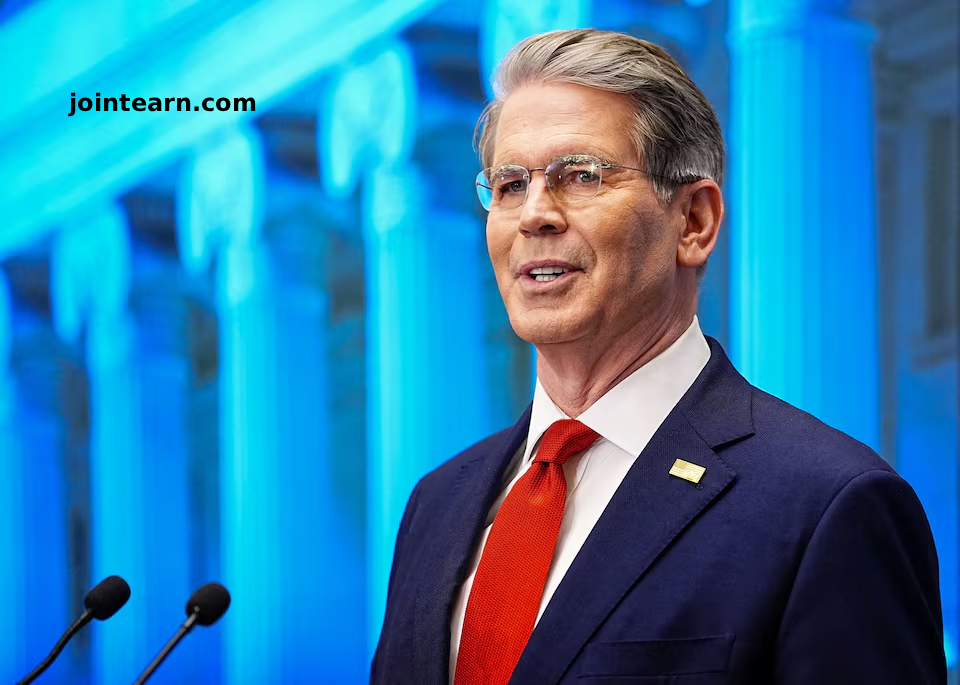
U.S. Treasury Secretary Scott Bessent clarified that increased scrutiny of overseas money transfers will not penalize individuals who can prove the legitimate origin of their funds. The announcement comes amid a crackdown on federal social benefits abuses in Minnesota, targeting both money services businesses and banks under investigation for potential money laundering.
FinCEN Expands Oversight in Minnesota
The Treasury’s Financial Crimes Enforcement Network (FinCEN) issued a geographic order focused on Hennepin and Ramsey counties, requiring banks and money transmitters to report additional information on transactions sent outside the United States. Reports must now include transfers exceeding $3,000, providing regulators with more data to prevent fraud and illicit fund movement.
In an interview, Secretary Bessent emphasized that these measures are not intended to disrupt legitimate remittances. He stated:
“No, it shouldn’t. Anyone who can prove where the money has come from … is fine.”
Bessent noted that lawful payments from U.S. residents typically move through regulated banking channels, distinguishing these from illegal or misappropriated funds.
Focus on Federal Social Benefits Fraud
The Treasury’s new measures are part of a broader effort to combat fraud in social service programs. Minnesota has recently faced scrutiny due to allegations that certain nonprofit organizations mismanaged childcare and other federally funded benefits. At least 56 individuals have pleaded guilty in connection with these investigations since 2022.
Minnesota Governor Tim Walz, a Democrat and former vice-presidential candidate in 2024, has pledged to focus on state welfare fraud, stepping back from seeking a third term. The Trump administration has highlighted Minnesota, including its significant Somali American and immigrant communities, as an area of concern regarding fraud claims dating back to 2020.
Impact on Remittances
Remittances constitute a substantial portion of GDP in many developing countries, including El Salvador and Somalia. Bessent’s remarks aim to reassure migrant communities and others sending funds internationally that legitimate transfers remain unaffected as long as proper documentation of fund origin is provided.
He emphasized the distinction between lawful transfers and illegal distributions of state benefits:
“You cannot send welfare money from the people of Minnesota to Somalia, right? Like, that just means you’re getting too much, or you can’t send stolen money.”
Ongoing Regulatory Oversight
The Treasury’s crackdown includes audits by the Internal Revenue Service and investigations of money services firms to ensure compliance with federal anti-money-laundering laws. While some banks may face increased reporting obligations, the measures are intended to strengthen the integrity of financial transfers rather than restrict lawful remittances.


Leave a Reply