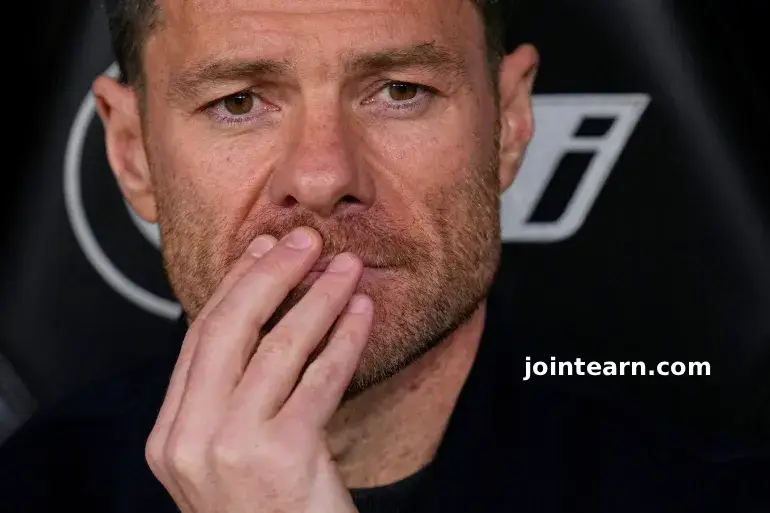
Real Madrid has announced the departure of Xabi Alonso as head coach, ending his short-lived tenure at the Spanish giants. The club confirmed the split came “by mutual consent” following a string of disappointing results on and off the pitch. Alonso has been replaced by Alvaro Arbeloa, former Real Madrid right-back and Castilla coach, who has been promoted to lead the first team.
The decision marks another managerial change under club president Florentino Pérez, continuing a pattern of short-term coaching tenures at the Bernabeu.
Why Xabi Alonso Was Sacked
Alonso, 44, lasted less than seven months into a three-year contract he signed last summer to succeed Carlo Ancelotti. While his appointment was initially welcomed with optimism, multiple factors contributed to his dismissal:
1. Poor On-Field Results
- A 3-2 defeat to Barcelona in the Spanish Supercopa final in Jeddah, Saudi Arabia proved to be the final straw.
- Mixed La Liga performances included a 5-2 loss in the Madrid derby, draws against lower-ranked teams, and a home defeat to Celta Vigo.
- UEFA Champions League struggles added to the pressure, notably a semifinal loss to Liverpool, part of a run that saw just two wins in eight games.
2. Off-Field Tensions
Alonso’s public fallout with Vinicius Junior during a Clasico win against Barcelona drew significant attention. The Brazilian striker reacted angrily to being substituted in the 71st minute, creating a rift that was widely covered in Spanish media.
Experts suggest the club’s management sided with Vinicius, valuing the star player over the manager, which damaged Alonso’s credibility within the organization.
3. Missed Targets and Transfers
Alonso’s summer transfer plans largely failed to materialize, with Martin Zubimendi opting for Arsenal over Real Madrid, limiting the manager’s ability to implement his vision.
4. Pressure from Florentino Pérez
Football analyst Graham Hunter noted that Alonso “committed several cardinal sins” in the eyes of Pérez. Losing a major final to Barcelona, dropping points against lower-ranked sides, and public disagreements with star players collectively sealed Alonso’s fate.
Despite some improved results later in the season, Alonso could not convince management that the team was on the right track.
Alonso’s Statement After Leaving
Alonso expressed gratitude and respect for the club, players, and fans:
“This stage of my career has come to an end, and it has not turned out as we would have liked. Coaching Real Madrid has been an honour and a responsibility. I leave with respect, gratitude, and pride in having done my best.”
Who Is Alvaro Arbeloa?
Alvaro Arbeloa, 42, has been promoted from Real Madrid Castilla, the club’s reserve team, to take over the senior squad. Arbeloa spent seven years as a first-team player at Real Madrid, making 238 appearances and winning two Champions League titles, alongside domestic league and cup trophies.
He has also represented Spain internationally, winning the 2010 World Cup and two European Championships, earning 56 caps in total.
Coaching Background
- Managed Real Madrid Castilla since June 2025
- Part of the youth academy coaching staff since 2020
- No prior experience managing a senior professional team
Arbeloa’s lack of top-level managerial experience has raised questions among fans and analysts. However, his deep familiarity with the Real Madrid system, culture, and training complex at Valdebebas provides continuity.
Arbeloa’s Management Style
Football journalist Lorenzo Calonge describes Arbeloa as blunt, unrelenting, and fearless in decision-making, a temperament that may clash with high-profile players at the Bernabeu. His no-nonsense approach could, however, instill discipline in a team that has recently struggled with consistency and internal conflicts.
What This Means for Real Madrid
- Alonso becomes the 10th Real Madrid manager sacked during Florentino Pérez’s presidency without completing a full season.
- Arbeloa faces the challenge of stabilizing a squad competing on La Liga, Champions League, and domestic cup fronts.
- High-pressure matches, including key Clasicos and European fixtures, will test Arbeloa’s tactical acumen and man-management skills.
This managerial change highlights Real Madrid’s continued focus on immediate results, reflecting the club’s history of short-term coaching cycles and high expectations at one of the world’s biggest football clubs.


Leave a Reply