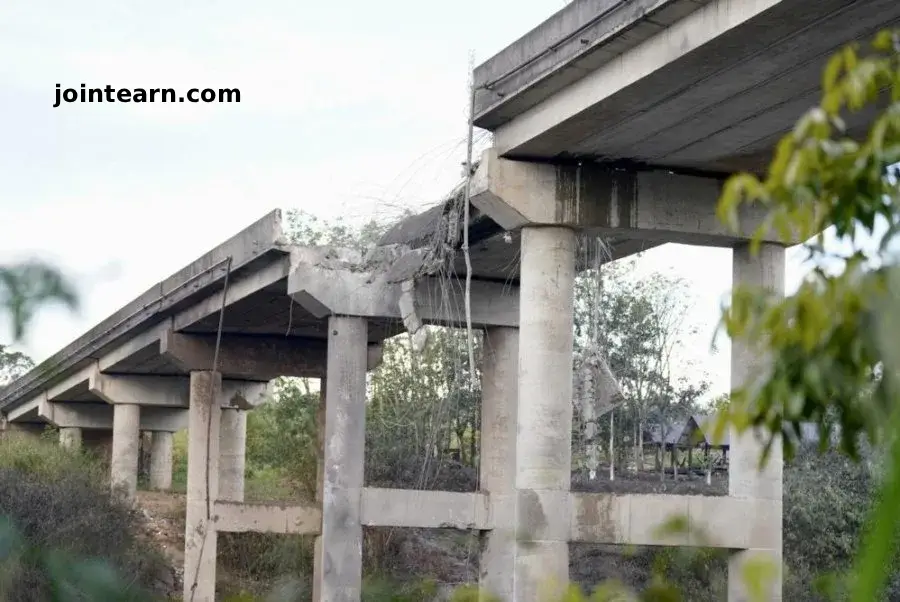
Cambodian authorities have closed all border crossings with Thailand as military clashes continue, despite a claimed cease-fire announced by US President Donald Trump. The escalation follows airstrikes by Thai F-16 fighter jets in Cambodia’s Pursat Province, which damaged infrastructure and forced large-scale civilian evacuations.
The Cambodian Ministry of Defense reported that Thai forces continued bombing targets within Cambodian territory on Saturday, defying earlier claims of a cease-fire. Border crossings will remain closed until further notice, officials added.
Conflicting Claims on Cease-Fire
On Friday, President Trump announced that a cease-fire agreement had been reached after speaking with leaders from both nations. He stated that “both countries are ready for peace” and that shooting would cease, resuming the October agreement.
However, leaders of Thailand and Cambodia have offered conflicting accounts. Thai Prime Minister Anutin Charnvirakul emphasized that military operations would continue until Thai forces feel no further threat to their territory and citizens. Meanwhile, Cambodian Prime Minister Hun Manet confirmed speaking with Trump regarding a cease-fire but did not confirm that an agreement had been finalized.
Escalating Violence
Despite the supposed truce, clashes continued over the weekend. Thai officials reported four additional soldier deaths on Saturday, bringing total casualties since Monday to 15 soldiers, alongside 270 wounded and six civilian injuries. Thai authorities also claimed that rockets launched from Cambodia had injured several civilians.
Cambodian officials reported 11 civilian deaths and 59 injuries as of Friday, although updated casualty numbers for Saturday have not been released. Thai airstrikes targeted hotels and a bridge in Pursat Province, a key area along the border, causing further disruption.
Humanitarian Impact
The fighting has forced the evacuation of approximately 700,000 civilians from both sides of the Cambodia-Thailand border, which stretches roughly 500 miles from Laos in the east to the Gulf of Thailand in the west. Authorities are grappling with the challenges of sheltering displaced families and maintaining access to essential services amid ongoing bombardments.
Regional and Tourism Implications
The border closures and escalating military conflict threaten regional stability in Southeast Asia. Cambodia’s tourism sector, already recovering from pandemic-related losses, is particularly vulnerable. Areas such as Siem Reap and Angkor Wat, major draws for international tourists, have been affected by the broader regional instability, raising concerns over visitor safety and economic impact.
Analysts warn that without swift diplomatic resolution, the border conflict could escalate further, causing additional civilian casualties, infrastructure damage, and long-term economic setbacks for both nations.


Leave a Reply