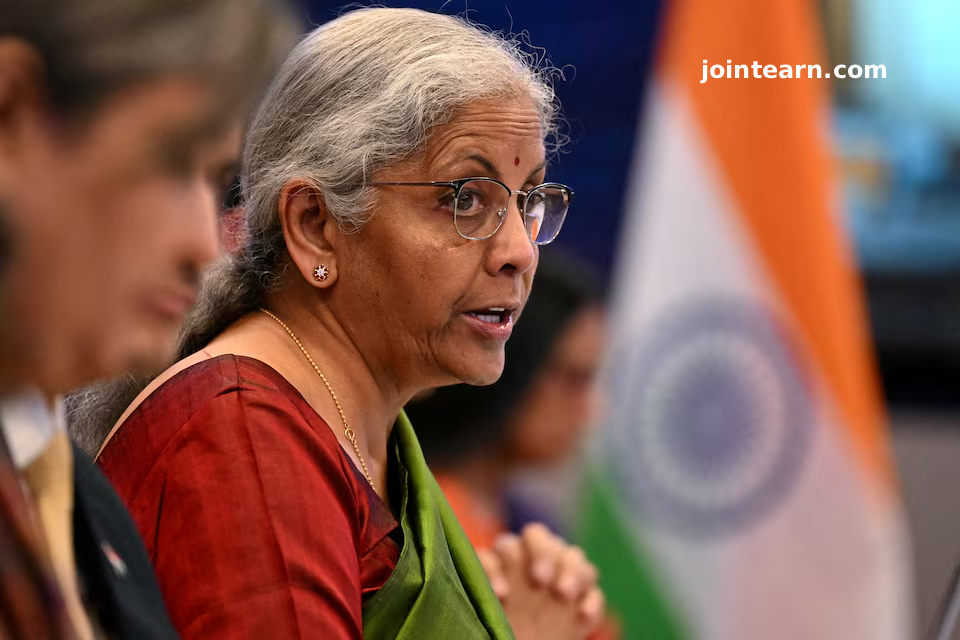
India to Focus on Reducing Debt-to-GDP Ratio from Next Fiscal Year, Confirms Finance Minister Nirmala Sitharaman
New Delhi, December 17, 2025 – In a significant announcement aimed at strengthening India’s fiscal health, Finance Minister Nirmala Sitharaman stated that reducing the country’s debt-to-GDP ratio will be the government’s top priority starting from the next fiscal year, which commences on April 1, 2026. Speaking to reporters, she emphasized that the government is committed to fiscal consolidation and addressing concerns over rising debt levels in both the central and state governments.
Highlighting fiscal challenges, Sitharaman said that the high debt-to-GDP ratio in certain Indian states remains a “cause of worry” for policymakers. She stressed the importance of managing government debt to ensure sustainable economic growth and maintain investor confidence in India’s financial markets.
The finance minister’s statement comes amid growing discussions on public debt management and economic stability in India. With a global economic environment facing uncertainties such as fluctuating commodity prices, inflationary pressures, and shifting interest rates, India’s efforts to reduce its debt burden are being closely watched by both domestic and international investors.
Reducing the debt-to-GDP ratio involves a combination of measures, including controlling fiscal deficits, improving revenue collection, and promoting economic reforms to boost growth. Experts believe that a lower debt-to-GDP ratio can enhance India’s creditworthiness, reduce borrowing costs, and provide more fiscal space for investments in infrastructure, healthcare, and education.
Finance Minister Sitharaman’s remarks were made during her visit to London for the India-UK Economic and Financial Dialogue (EFD), held at the London Stock Exchange Group (LSEG). The dialogue between the two countries aims to strengthen economic cooperation, promote trade and investment, and explore opportunities for financial collaboration.
With the government setting fiscal discipline and debt reduction as key priorities, the coming fiscal year is expected to focus on strategic planning to balance economic growth with responsible borrowing. Analysts suggest that this approach could help India maintain a stable macroeconomic environment, attract foreign investment, and sustain long-term economic development.
As India navigates its path toward debt consolidation and economic resilience, all eyes will be on the government’s budget proposals and fiscal measures in the upcoming fiscal year.


Leave a Reply