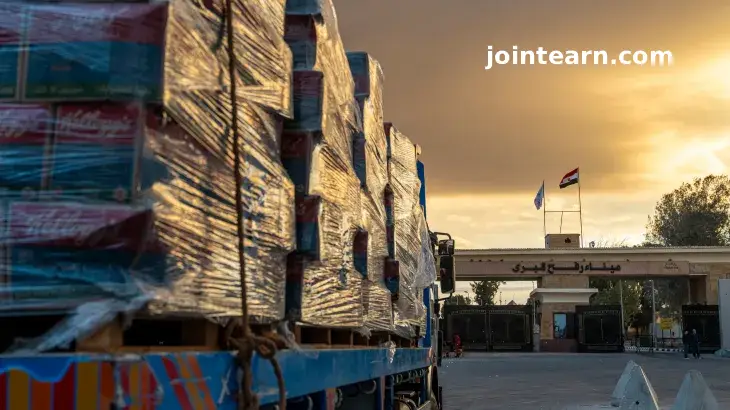
Qatar has confirmed it is actively engaging with mediators to reopen the Rafah border crossing into Gaza, aiming to deliver much-needed humanitarian aid to the besieged territory. The move comes as Palestinians continue to face severe restrictions, with access to essential services and supplies heavily limited.
Qatar’s Diplomatic Efforts
Speaking at a news conference on Tuesday, Majed al-Ansari, spokesman for the Qatari Ministry of Foreign Affairs, said that Doha is working closely with mediators to secure the second phase of the Gaza ceasefire.
“We demanded that humanitarian aid is not used as a political blackmail,” al-Ansari said, emphasizing that negotiations aim to restore access for both humanitarian and civilian needs.
Reopening the Rafah crossing with Egypt was a key condition of the first phase of the ceasefire that went into effect on October 10, 2025. However, the crossing has largely remained closed, with humanitarian groups reporting that Israeli restrictions continue to hamper aid deliveries, a violation of the ceasefire agreement.
Historical Context of the Rafah Crossing
Rafah has long been Gaza’s primary connection to the outside world. The crossing became a lifeline for Palestinians seeking medical treatment, education, or family reunification. However, Israeli military occupation of the Palestinian side since May 2024 severely restricted movement, leaving residents stranded and dependent on limited humanitarian deliveries.
On January 1, Israel’s Kan broadcaster reported that authorities were preparing to reopen the crossing in both directions following pressure from US President Donald Trump. This would mark a major shift from previous Israeli policies that allowed only one-way exit from Gaza to Egypt, a policy widely criticized by regional governments, including Egypt and Qatar, as endangering the population.
Palestinian Hope and Concerns
The potential reopening has generated both hope and anxiety among Gaza residents.
- Students like Tasnim Jaras in Gaza City view the crossing as essential for continuing their education abroad.
- Patients like Moaeen al-Jarousha, wounded in the conflict, see it as a lifeline for urgent medical treatment.
- Families hope the crossing can also allow for reunification with loved ones separated by years of blockade and conflict.
Al Jazeera correspondent Hani Mahmoud reported from Gaza City:
“Hope here is never simple. Many Palestinians recall how announcements about the crossing reopening have repeatedly failed to materialize. And although people hope for movement both in and out of Gaza, the Israeli military continues to push for Rafah to remain a one-way exit.”
Ongoing Violence Undermines Ceasefire
Despite the truce, Israeli forces continue to conduct airstrikes in Gaza. On Monday, a tent sheltering displaced Palestinians was bombed, killing a five-year-old girl and her uncle, and wounding four others, including children.
Since the ceasefire began in October 2025, at least 422 Palestinians have been killed in Israeli attacks, according to Gaza health authorities. The ongoing violence underscores the fragile nature of the ceasefire and the urgent need to reopen Rafah for humanitarian access.
Urgency of Humanitarian Aid
With Gaza facing widespread destruction, displacement, and lack of essential supplies, reopening Rafah is critical for delivering:
- Food and clean water
- Medical supplies and urgent care
- Access to education and family reunification
Qatar’s diplomatic efforts signal a commitment to protecting civilian lives and ensuring that humanitarian aid reaches those in desperate need.


Leave a Reply