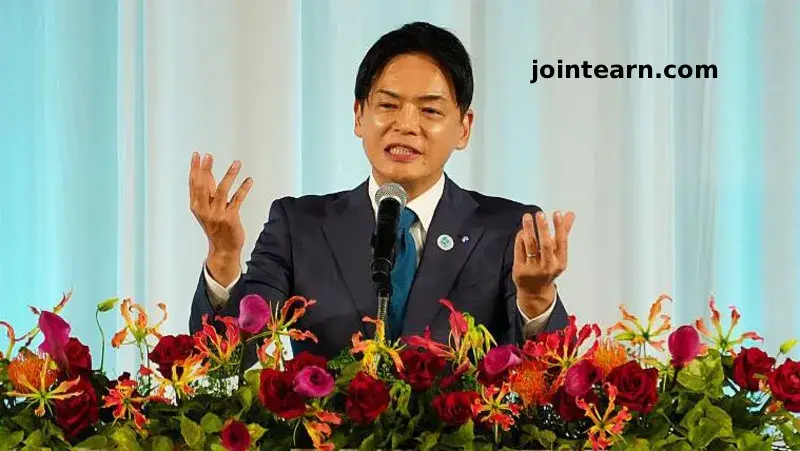
The mayor of Yokohama, Takeharu Yamanaka, has publicly apologized after being accused of insulting city officials and making offensive remarks in the workplace. The apology comes after Japan’s unusual move of a serving city official publicly accusing a sitting mayor of workplace harassment.
Allegations of Workplace Harassment
The accusations were made by Jun Kubota, Yokohama’s Human Resource Chief, who held a press conference on Thursday outlining a series of alleged derogatory comments by Mayor Yamanaka. According to Kubota, the mayor repeatedly referred to staff as “idiot” and “human scum”, among other offensive terms.
Kubota also alleged that Yamanaka used words such as “useless”, “silly”, and “low-spec” to belittle colleagues. Some remarks reportedly targeted staff appearance and even likened employees to animals. In one extreme instance, Yamanaka allegedly threatened Kubota, suggesting he would have to “commit seppuku”—a traditional Japanese ritual suicide—if an international conference bid failed.
Such open accusations against a sitting mayor are rare in Japan, reflecting the gravity of the workplace environment concerns.
Mayor Yamanaka’s Response
Initially, Yamanaka denied the allegations through a statement posted on his personal website. However, he later admitted to making some of the remarks during a public news conference.
“I want to frankly apologise for placing a psychological burden on the personnel director,” Yamanaka said. “I am reflecting on this. I will be more careful with my words and behaviour.”
The mayor clarified that these comments occurred during discussions about personnel evaluations, but he denied other accusations, including insults related to colleagues’ appearance.
Yamanaka also announced that he was considering an official investigation under the supervision of the deputy mayor and pledged full cooperation if such an investigation takes place.
Human Resource Chief’s Reaction
Kubota, however, rejected Yamanaka’s apology as insufficient. He insisted that the mayor had made additional comments that remain unacknowledged. “The mayor doesn’t understand anything. I cannot accept that as an apology. I want him to change,” Kubota said.
The allegations have sparked wider conversations about workplace culture in Japan, including the prevalence of hierarchical pressure, psychological harassment, and the challenges of addressing misconduct in public offices.
Context: Workplace Culture in Japan
Workplace harassment, known in Japan as “power harassment” (パワハラ), refers to abusive behavior by supervisors or colleagues that creates a hostile work environment. The Yamanaka case highlights ongoing challenges in Japanese workplaces, particularly in government offices where hierarchical structures are strong and employees may feel reluctant to speak out.
This incident also raises broader questions about professional accountability for public officials, the limits of workplace authority, and the responsibilities of city leaders in promoting a safe and respectful environment.
Next Steps
An investigation may be launched under the deputy mayor’s oversight to determine the extent of Mayor Yamanaka’s conduct. If substantiated, it could result in administrative or disciplinary action and set a precedent for addressing harassment in Japanese municipal offices.
Meanwhile, public attention remains focused on the mayor’s behavior and its implications for governance and workplace ethics in Japan.


Leave a Reply